shreeresumes.com

Premium Resume Writing for Senior Professionals & Leaders

Edit Template

Uncategorized

Naukri Profile Optimization Service by Shree Resumes
Uncategorized

Naukri Profile Optimization Service

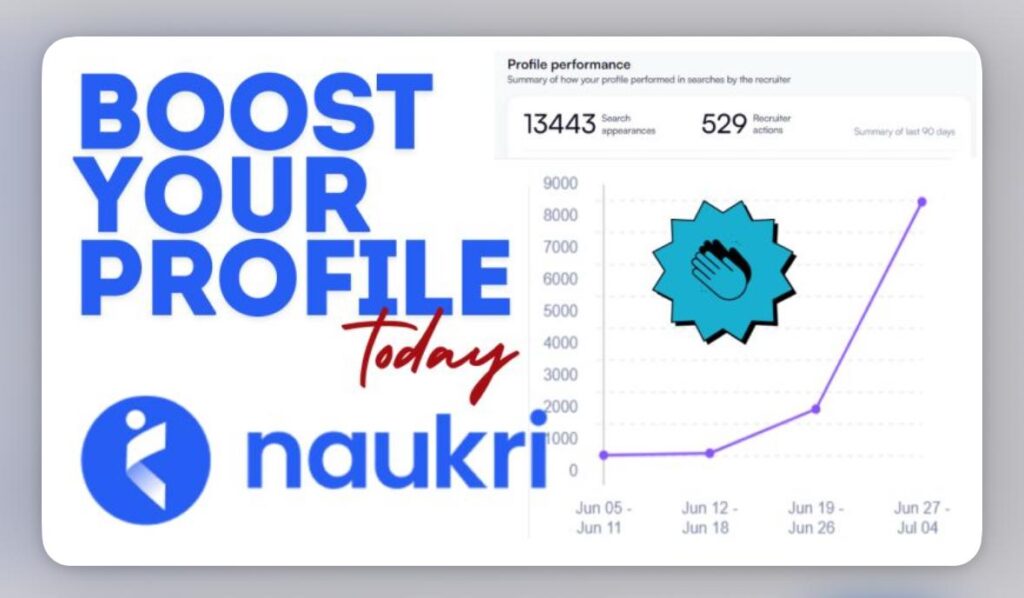
Naukri Profile Optimization Service Improve your Naukri profile visibility, attract recruiters, and increase interview calls with our professional profile optimization service. Optimize My Profile – ₹899 If you are applying for jobs on Naukri but not receiving interview calls, the problem may not be your experience — it could be your Naukri profile optimization. Recruiters search thousands of profiles every day using specific job-related keywords, skills, and experience filters. If your profile is not properly optimized with the right keywords and structure, it may never appear in recruiter searches. At Shree Resumes, we offer a professional Naukri Profile Optimization Service for just ₹899 to help job seekers improve their profile visibility and attract recruiters. Why Naukri Profile Optimization is Important Better Recruiter Visibility Optimized profiles appear higher in recruiter searches on Naukri. More Profile Views A well structured profile attracts more recruiter visits. More Interview Calls Better visibility means more job opportunities and interview requests. Professional Branding Your profile becomes stronger and more appealing to recruiters. What You Get in Our Service Profile Headline Optimization We craft a keyword-rich headline highlighting your expertise. Professional Summary Writing Showcase your career strengths and achievements effectively. Keyword Optimization We add recruiter-friendly keywords to increase profile visibility. Skills Optimization Enhance your skills section with high-impact industry keywords. Experience Section Improvement Highlight your achievements and responsibilities effectively. Profile Completeness Optimization Complete profiles attract more recruiter attention. Our Optimization Process Step 1 Submit your Naukri profile or resume. Step 2 Our experts analyze your profile. Step 3 We optimize keywords and content. Step 4 Profile sections are enhanced for better visibility. Step 5 You receive your optimized profile. Start Getting More Interview Calls Optimize your Naukri profile today and increase your chances of being discovered by recruiters. Get Started – ₹899 © 2026 Shree Resumes

Uncategorized

Top Resume Mistakes to Avoid in 2026

Top Resume Mistakes to Avoid in 2026 In today’s competitive job market, resumes are not just a formality, they’re your first impression in a world where AI screening and human recruiters share the decision process. In 2026 especially, small resume mistakes can cost interviews before you even get a chance to explain your value. This guide will help you fix the most common resume errors, transform your professional story, and improve your chances of landing interviews faster. Whether you’re writing your resume yourself or considering professional support, understanding what turns employers off is essential. For many job seekers, services like those offered by Shree Resumes provide clarity on how modern resumes should be crafted and optimized. Why Resume Standards Have Changed in 2026 Hiring technology has evolved rapidly. Applicant Tracking Systems (ATS) and AI-powered screening tools scan resumes first, deciding who reaches a recruiter’s desk. Recruiters now expect clarity, impact, and relevance not just a list of duties. At the same time, job descriptions have become more specific, emphasizing measurable achievements and demonstrable skills. Generic resumes no longer suffice; customization and optimization are required. If you’ve wondered whether professional expertise is worth the cost, resources like this on professional resume writing worth the cost can help you compare self editing with expert results. Top Resume Mistakes to Avoid in 2026 1. Using One Generic Resume for Every Job Many candidates submit the same resume for every application. This fails to account for keyword matching, skills prioritization, or job-specific impact. Why it hurts: AI and recruiters look for relevance first. Generic resumes often lack the specific keywords and phrases found in the job description. Fix: Match your resume language to the job posting and adjust key skills, role titles, and accomplishments to reflect the opportunity. 2. Listing Responsibilities Instead of Achievements Resumes filled with duties read like job descriptions, not proofs of impact. Why it hurts: Recruiters want to see what you accomplished, not just what you were responsible for. Fix: Use quantified achievements: “Increased sales by 35% in 12 months” shows impact. Focus on outcomes, not tasks. 3. Ignoring ATS and AI Screening Fancy templates with non-standard formatting, columns, or graphics may look good, but they often break ATS parsing. Why it hurts: ATS misreads complex layouts, which can cause your resume to be rejected before a human sees it. Fix: Stick to a clean format with standard headings (e.g., “Experience,” “Education”). Avoid headers/footers and graphics that confuse scanners. This ensures your resume structure is both human- and machine-readable. For even greater polish and compliance with current standards, professional resume services like those highlighted in the benefits of professional resume writing guide demonstrate how expert formatting leads to better ATS results and stronger recruiter engagement. 4. Failing to Quantify Results Vague statements like “Managed projects” are quickly skimmed and forgotten. Why it hurts: Numbers communicate scale and credibility instantly. Fix: Add measurable outcomes revenue growth, cost savings, engagement increases, efficiency improvements wherever possible. 5. Poor Formatting and Readability A cluttered resume filled with long paragraphs or inconsistent bullet styles makes it tough for recruiters to scan quickly. Why it hurts: Recruiters spend only seconds on first reads. If your format doesn’t guide their eyes, they’ll move to the next candidate. Fix: Use 1–2 line bullets, plenty of white space, and consistent formatting to improve readability. 6. Weak or Outdated Professional Summary Starting with a generic or vague summary signals lack of focus. Why it hurts: Recruiters want a clear picture of your value within the first 30 seconds. Fix: Write a concise professional summary that aligns with the role and showcases your strength areas upfront. 7. Including Irrelevant or Outdated Information Old jobs that don’t support the role you’re targeting, outdated skills, and irrelevant hobbies dilute your value. Why it hurts: Irrelevant content dilutes impact and extends resume length unnecessarily. Fix: Keep content relevant and recent — only include information that directly supports your target roles. Common Resume Mistakes Recruiters See Every Day Beyond the list above, job seekers often fall into a few recurring pitfalls discussed in forums like Reddit and Quora: These common patterns show up because they aren’t just superficial flaws — they make your resume less persuasive at both machine and human review levels. How to Fix These Resume Mistakes Quickly Every resume fix doesn’t need to be a complete rewrite. Here’s a quick action plan: Final Resume Checklist for 2026 Remember, a well-written resume doesn’t just list your experience — it tells a story of impact, relevance, and professional growth. If you ever feel stuck or want expert help polishing your resume for the evolving job market, services like Shree Resumes offer targeted support that can help your resume stand out and convert interviews faster. FAQs About Resume Mistakes in 2026 Q: How long should a resume be in 2026? For most roles, one page is ideal. If you have extensive relevant experience, two pages may be acceptable. Q: Should I use AI to write my resume? AI can help draft and optimize, but always human-edit for accuracy and personal relevance. Q: Do recruiters still read resumes manually? Yes — but only after AI/ATS shortlisting. So your resume must pass both machine and human evaluation. Q: How do I pass ATS without keyword stuffing? Use natural language aligned to the job’s terminology — avoid unnatural repetition.

Uncategorized

7 Key Benefits of Professional Resume Writing (Backed by Hiring Insights)

7 Key Benefits of Professional Resume Writing (Backed by Hiring Insights) Recruiters typically spend less than 10 seconds deciding whether a resume is worth a deeper look. During this brief scan, resumes are evaluated for keyword relevance, clarity, structure, and alignment with the job description. If your resume fails at any of these checkpoints, it may be rejected even if your skills are a strong match. Professional resume writing focuses on optimizing resumes for both Applicant Tracking Systems (ATS) and human reviewers. Below are seven key benefits of professional resume writing, supported by how hiring teams actually screen and shortlist candidates. What Professional Resume Writing Really Involves Professional resume writing is not simple proofreading. It involves role-based keyword research, resume structure optimization, achievement framing, and alignment with hiring intent. A well-written resume communicates fit, impact, and relevance within seconds exactly what recruiters look for during initial screening. 1. Improves ATS Compatibility and Keyword Matching Most resumes are filtered by ATS software before reaching recruiters. These systems evaluate resumes based on keyword presence, formatting, and content hierarchy. Professional resume writing ensures your resume includes job-specific keywords, skills, and role terminology used in real job descriptions. It also avoids ATS-breaking elements like complex tables, graphics, or inconsistent headings. Semantic signals covered: ATS-friendly resume, keyword optimization, job relevance, resume parsingOutcome: Higher chances of reaching human review 2. Converts Responsibilities Into Measurable Achievements Recruiters prioritize resumes that demonstrate results, not generic duties. Many resumes fail because they list what the candidate did, not what they accomplished. Professional resume writers transform responsibilities into achievement-based statements using metrics, outcomes, scale, and business impact. This helps recruiters quickly assess value and performance. Example shift: “Managed sales operations” → “Improved regional sales performance by 28% through process optimization.” Semantic signals: quantified achievements, performance metrics, impact-driven resume 3. Aligns the Resume With Specific Job Roles A common mistake candidates make is using the same resume for every application. Hiring managers expect resumes to reflect the exact role requirements, tools, and skills mentioned in the job description. Professional resume writing tailors content for specific job titles, industries, and seniority levels. This improves contextual relevance and signals strong role alignment to both ATS and recruiters. Semantic signals: role-specific resume, targeted job application, industry keywordsOutcome: Improved shortlisting and interview response rates 4. Strengthens Career Narrative and Personal Branding A resume is not just a summary of experience it’s a career positioning document. Recruiters look for clarity: who you are, what you specialize in, and where you add value. Professional resume writing creates a clear career narrative through optimized headlines, summaries, and progression logic. This branding helps recruiters immediately understand your professional identity. At Shree Resumes, this branding approach ensures consistency between resumes and professional profiles, improving overall credibility. Semantic signals: personal branding, career story, professional identity 5. Reduces Job Search Friction and Time Investment Writing an effective resume requires understanding hiring behavior, ATS logic, and recruiter expectations. Without that knowledge, candidates often rewrite resumes multiple times without results. Professional resume writing removes trial-and error by delivering a recruiter-ready document from the start. This allows candidates to focus on applications, networking, and interview preparation instead of formatting and rewriting. Semantic signals: job search efficiency, resume optimization, hiring readiness 6. Improves Application-to-Interview Conversion The primary goal of a resume is not to get hired it is to secure interviews. Professionally written resumes improve clarity, relevance, and scannability, which directly affects interview conversion rates. By aligning skills, achievements, and keywords with hiring criteria, professional resume writing increases the likelihood that recruiters shortlist your profile. Resumes created through structured methodologies such as those followed by Shree Resumes are designed specifically for faster recruiter decision-making. Semantic signals: interview conversion rate, recruiter screening, resume effectiveness 7. Supports the Entire Job Application Ecosystem Professional resume writing often includes additional elements such as cover letters, LinkedIn profile optimization, and keyword alignment across platforms. This ensures a consistent professional presence throughout the hiring funnel. When resumes, profiles, and applications work together, candidates appear more credible and job-ready increasing trust with hiring managers. Semantic signals: LinkedIn optimization, cover letter relevance, hiring funnel alignment Is Professional Resume Writing Worth It? Professional resume writing is most valuable when: Candidates should avoid services that guarantee jobs, exaggerate experience, or lack transparency. Ethical resume writing focuses on accurate representation and strategic positioning. How to Choose a Professional Resume Writing Service When evaluating a resume writing service, consider: Why Professional Resume Writing Can Transform Your Job Search Professional resume writing bridges the gap between your experience and how hiring systems interpret it. By improving keyword relevance, achievement clarity, and role alignment, it significantly enhances your chances of getting shortlisted. If your resume isn’t generating interviews, the issue may not be your qualifications but how effectively they’re communicated. FAQ  Are professional resume writers worth it? Yes, especially for candidates facing repeated rejections, career transitions, or competitive hiring markets. How long does professional resume writing take? Most services deliver within 5–10 business days, depending on experience level and revisions. Do resume writers fabricate information? No ethical resume writer adds false experience. All content should be based on real, verifiable information.

Uncategorized

What Is Applicant Tracking Software (ATS) and How Does It Work?

What Is Applicant Tracking Software (ATS) and How Does It Work? If you have ever applied for a job online and never heard back, chances are your resume was screened by an Applicant Tracking Software (ATS). Today, most companies — from startups to large enterprises — rely on ATS platforms to manage hiring at scale. Understanding how ATS works is no longer optional for job seekers or recruiters; it directly affects who gets shortlisted and who gets filtered out. In this guide, we’ll explain what ATS is, how it works step by step, what recruiters actually see, and how you can optimize your resume to perform better in ATS systems. We’ll also touch on how Shree Resumes helps candidates create ATS-friendly resumes that don’t just pass software checks but also impress recruiters. What Is Applicant Tracking Software (ATS)? Applicant Tracking Software (ATS) is a recruitment tool used by employers to collect, organize, screen, and track job applications. Instead of manually reviewing hundreds or thousands of resumes, recruiters use ATS to automate repetitive hiring tasks and focus on the most relevant candidates. An ATS acts as a centralized database where resumes, candidate information, interview notes, and hiring stages are stored. It helps companies reduce time-to-hire, improve collaboration between hiring teams, and maintain a structured recruitment workflow. From the candidate’s perspective, ATS is the gatekeeper. If your resume is not parsed or matched correctly, it may never reach a human recruiter — regardless of your qualifications. How Does ATS Work? (Step-by-Step Process) Understanding the ATS workflow explains why resume structure and keywords matter so much. 1. Job Posting and Application Collection Recruiters create a job description inside the ATS and publish it across job portals, company career pages, and social platforms. All incoming applications flow back into the ATS automatically. 2. Resume Parsing Once you apply, the ATS scans your resume using a resume parser. This tool extracts key information such as: Poor formatting, graphics, tables, or non-standard headings can confuse the parser and lead to missing or incorrect data. 3. Keyword Matching and Indexing After parsing, the ATS indexes your resume data and compares it with the job description. It looks for relevant keywords, job titles, skills, and experience levels. Some ATS use basic keyword matching, while modern systems apply NLP (Natural Language Processing) to understand skill variations and context. 4. Screening and Filtering Recruiters set filters such as mandatory skills, years of experience, location, or screening questions. Candidates who don’t meet these criteria may be automatically rejected before any manual review. 5. Recruiter Review and Hiring Workflow Shortlisted resumes appear in a ranked or filtered list. Recruiters review top candidates, schedule interviews, collect feedback, and move candidates through stages until an offer is made. What Recruiters See vs What Candidates Should Do Recruiter’s View Recruiters don’t see your resume the way you designed it. They see structured fields, keyword highlights, and match scores inside the ATS dashboard. Most recruiters scan resumes quickly and rely heavily on ATS filtering before reading details. Candidate’s Reality To improve your chances: This is where many applicants struggle — and where professional resume optimization becomes valuable. Why Most Resumes Fail ATS Screening Many candidates believe ATS “rejects” resumes unfairly, but in reality, resumes fail due to: ATS is rule-based. When resumes don’t align with how the system parses and scores data, they simply fall behind better-optimized applications. How to Make Your Resume ATS-Friendly (Quick Checklist) Here’s a practical checklist aligned with how ATS actually works: Shree Resumes follows these exact principles to create resumes that are ATS-compatible while still sounding natural and human — not robotic or keyword-stuffed. ATS for Employers: Benefits and Considerations For companies, ATS offers: However, ATS must be configured carefully. Over-filtering, biased keywords, or poor job descriptions can unintentionally exclude qualified candidates. Regular audits and structured evaluation criteria help prevent this. Common ATS Myths (Debunked) Myth: ATS automatically rejects resumesTruth: ATS filters based on rules set by recruiters Myth: Only keywords matterTruth: Formatting, structure, and context also matter Myth: ATS is bad for candidatesTruth: ATS rewards clarity, relevance, and targeted applications Applicant Tracking Software (ATS): Final Tips to Get Your Resume Shortlisted Applicant Tracking Software is not your enemy — but ignoring how it works can hurt your job search. ATS systems are designed to bring structure and efficiency to hiring, not randomness. When you understand the ATS pipeline and tailor your resume accordingly, your chances of reaching a recruiter increase significantly. If you want a resume that balances ATS compatibility and human readability, Shree Resumes specializes in crafting resumes that pass software screening and resonate with recruiters — giving you a real edge in competitive job markets. FAQS 1. What is Applicant Tracking Software (ATS)? Applicant Tracking Software (ATS) is a system used by employers to collect, scan, and manage job applications. It helps recruiters filter resumes, track candidates, and streamline the hiring process. 2. How does Applicant Tracking Software (ATS) work? ATS works by parsing resumes, extracting key information like skills and experience, and matching it against job requirements. Resumes that best match the job criteria are shown first to recruiters. 3. Can ATS reject a resume automatically? Yes. ATS can automatically filter out resumes that don’t meet required criteria such as keywords, experience level, location, or screening questions — often before a recruiter reviews them. 4. How can I make my resume ATS-friendly? To make your resume ATS-friendly, use a simple layout, standard headings, relevant keywords from the job description, and avoid graphics or complex formatting. Customizing your resume for each role improves results. 5. Does Shree Resumes create ATS-optimized resumes? Yes. Shree Resumes specializes in creating ATS-optimized resumes that are easy for software to parse while remaining clear, professional, and appealing to human recruiters.

Uncategorized

Resume Writing Tips for Freshers in 2026 

Resume Writing Tips for Freshers in 2026 Writing your first resume can feel confusing, especially when you have little or no full-time experience. In 2026, resume screening is faster, more automated, and more competitive than ever. Recruiters rely heavily on Applicant Tracking Systems (ATS), and most resumes are scanned for relevance within seconds. The good news is this: freshers are not expected to have experience. What recruiters look for instead is clarity, relevant skills, and proof of potential. This guide explains exactly how to write a job-ready fresher resume in 2026 step by step, with practical examples and mistakes to avoid. What Recruiters Expect From a Fresher Resume in 2026 Recruiters hiring freshers focus on skills, projects, and intent, not job history. A fresher resume is successful when it clearly answers three questions: In 2026, most entry-level hiring follows a skills-first approach. Recruiters use ATS software to filter resumes based on keywords, role alignment, and formatting. A clean, focused, one-page resume that mirrors the job description performs significantly better than a generic resume sent to multiple companies. Best Resume Format for Freshers in 2026 The reverse-chronological or hybrid resume format works best for freshers. These formats are ATS-friendly and easy for recruiters to scan. Key formatting guidelines: Avoid functional resumes, heavy designs, tables, and graphics, as they often confuse ATS software and reduce visibility. How to Write a Strong Resume Summary or Objective A resume summary or objective sits at the top of your resume and sets context instantly. For freshers, a short summary works best if you have skills or projects. Use an objective only when applying for a very specific role. Resume summary example (fresher): Final-year Computer Science student skilled in Python, SQL, and data analysis, with hands-on experience through academic projects, seeking an entry-level data analyst role. Resume objective example: Motivated business graduate seeking an entry-level marketing role to apply SEO, content strategy, and analytics skills in a growth-focused organization. Keep this section concise—2 to 3 lines is enough. How to Write Resume Bullet Points Without Experience This is where most freshers struggle, but it’s also where you can stand out. If you don’t have job experience, use: Use this simple formula: Action verb + skill/tool + outcome Before (weak): Worked on a college project related to digital marketing. After (strong): Executed a digital marketing project using SEO tools and keyword research, increasing organic website traffic by 25% within one month. Focus on impact, not responsibilities. Numbers, tools, and results make your resume more credible and ATS friendly. Skills Section: What to Include and What to Avoid Your skills section is critical for ATS ranking. Include: Avoid vague soft skills like “hardworking” or “team player” unless supported by examples elsewhere. Example skills list: Always align your skills with the job posting. Education, Certifications, and Projects For freshers, education still matters—but relevance matters more. Include: Avoid listing school-level details unless explicitly required. ATS-Friendly Resume Formatting Tips To ensure your resume passes ATS screening: A simple layout improves both ATS parsing and recruiter readability. Common Resume Mistakes Freshers Must Avoid in 2026 Many resumes get rejected due to avoidable errors: Even small mistakes can reduce interview chances significantly. Final Resume Writing Tips for Freshers in 2026 to Get Hired Faster In 2026, a strong fresher resume is not about experience—it’s about relevance, clarity, and strategy. Focus on skills, projects, and measurable outcomes. Keep your resume concise, ATS-friendly, and tailored to each role. If you apply these resume writing tips correctly, your resume will not only pass ATS filters but also make a strong impression on recruiters. Frequently Asked Questions (FAQs) Should a fresher resume be one page? Yes. One page is ideal for freshers and preferred by recruiters. Can I include college projects instead of experience? Absolutely. Projects are often the strongest section for freshers. Should I customize my resume for every job? Yes. Tailoring your resume to match job keywords improves ATS ranking. Is LinkedIn more important than a resume? Both are important. Your resume gets you shortlisted; LinkedIn builds credibility.  

Scroll to Top